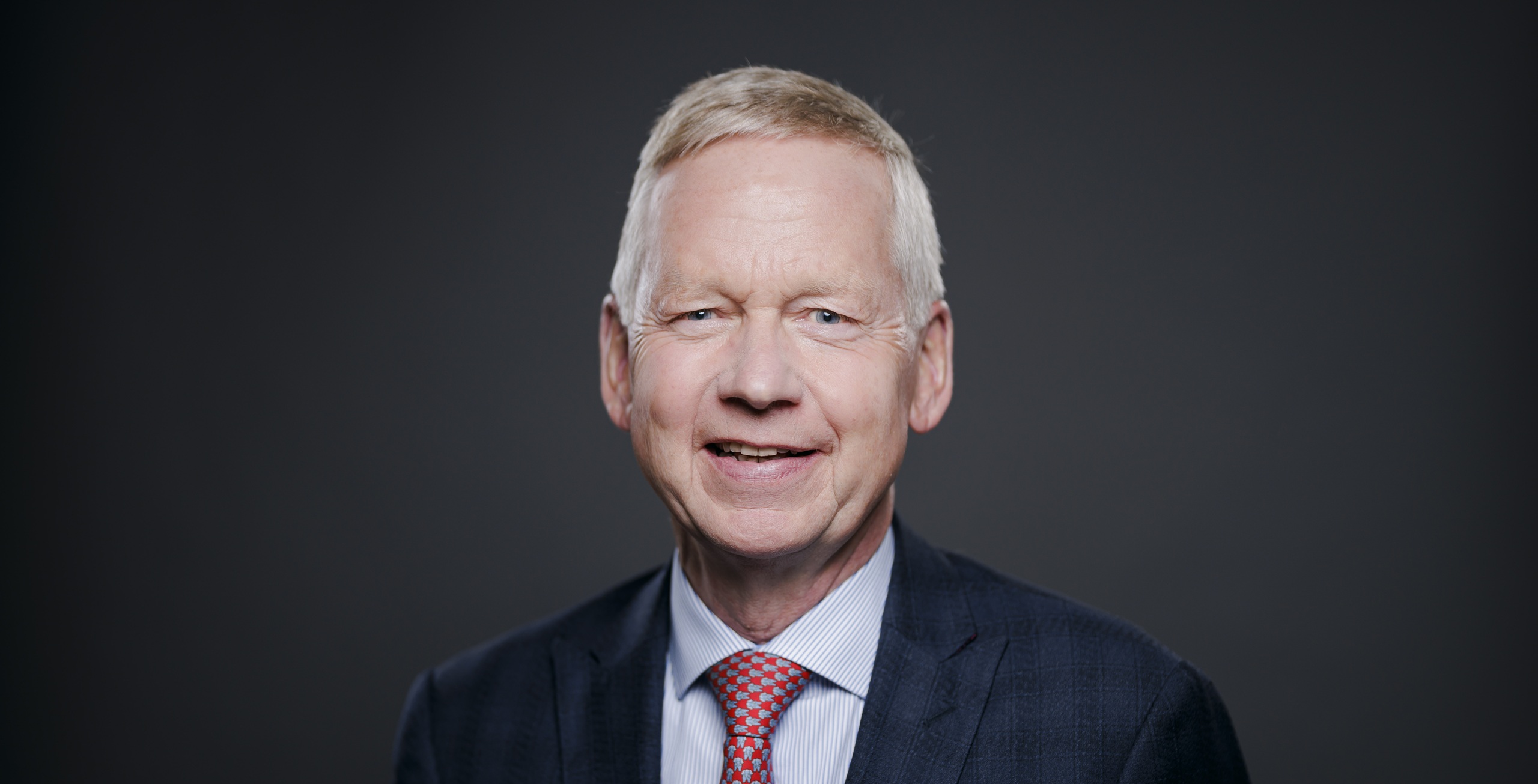
In 2026, the German National Regulatory Control Council (NKR) is going to take over the presidency of RegWatchEurope (RWE) from DBRF (Danish Business Regulation Forum). We asked Lutz Goebel, NKR chair, to educate us about NKR and its priorities within the German chairmanship of RWE.
NKR celebrates its 20th anniversary next year. Could you describe us the NKR roles and tasks and how NKR evolved over time.
The National Regulatory Control Council, or NKR, was founded in 2006 and consists of ten members. It operates as an independent, legally established expert body that advises the German federal government. The NKR’s primary mission is to reduce bureaucracy, improve legislative quality, and advocate for digital administration.
One of the core functions of the NKR is to scrutinise the assessment of potential costs (according to the standard cost model) of new laws and regulations for citizens, businesses, and public administration. We also analyse whether there are more practical or efficient alternatives to proposed measures. After conducting these reviews, the NKR issues an opinion, which is included in the cabinet submission and presented to the federal government for further discussion. This opinion is also made publicly accessible.
In addition to reviewing individual laws, the NKR plays a vital role in driving modernization within Germany’s administration. For example, we commission expert reports on topics such as state modernization and government digitalization. Since 2023, we have also been scrutinizing the digital readiness of legal drafts.
Looking ahead, the responsibility for the NKR has been transferred to the Ministry of Digitalisation and State Modernisation in 2025, where we continue to closely monitor its agendas and initiatives.
Overall, while media attention around NKR’s work has increased in recent years, we have noticed a decline in the quality of legal drafts, particularly when it comes to short deadlines.
Can you enlighten us about the most pressing topics in the area of better regulation and bureaucracy reduction in Germany for 2026 and how NKR plans to be involved with its mandate?
Looking ahead to 2026, several pressing topics in better regulation and bureaucracy reduction are expected to be at the forefront in Germany, with a focus on improving the regulatory environment through digitalisation, simplification, and better evaluation mechanisms.
One of the most important projects for NKR is to look more closely into the nation-wide management on data.
In addition to this project, the NKR is currently working on another expert report on evaluations. This project will focus on how to streamline and increase effectiveness of the current system for ex-post reviews of legislation.
As for the overall governmental approach, burden reduction remains a central goal, with targets to reduce administrative burdens by 16 billion euros and compliance costs by 10 billion euros over the legislative term. Although progress to date has been slow, the NKR continues to evaluate and recommend improvements to ensure that new laws are both cost-effective and digital-ready.
The NKR will also remain active in supporting the “federal state modernisation” agenda, which focuses on enhancing collaboration between federal and Länder levels of government. By ensuring that regulations are aligned across all levels, the work of the NKR contributes to reducing redundancy and administrative complexity, resulting in more efficient governance.
The topics of better regulation and regulatory burdens once were a niche topic but became a popular theme internationally in the past years. What will be NKR’s priorities when you take over presidency in 2026?
In an overall view, the network has been functioning effectively, particularly in terms of its cooperative aspects. However, we believe that it is now time to revisit and re-evaluate the goals of RegWatchEurope with a more strategic perspective.
Given the increasing emphasis on bureaucracy reduction and better lawmaking across Europe, we feel that this is also an ideal moment to take stock of where we are at the moment at the European and national level. To this end we plan to organise a High-Level event in Berlin in June of 2026. This event would provide an opportunity to thoroughly discuss the EU’s ongoing regulatory measures, assess their progress, and evaluate the mid-term outcomes.
Additionally, we are seeing a growing interest from many countries that wish to join our network. As such, we are committed to supporting these countries in their efforts to move towards becoming associate or even full members of our network. Our goal is to ensure that we provide the necessary resources, guidance, and collaboration opportunities to help them integrate successfully into the broader framework of RegWatchEurope.